When the speed of car moving down the hill remains constant, its kinetic energy remains same. The gravitational potential energy is converted into internal energy of brake drums. This causes heating of brake drums.
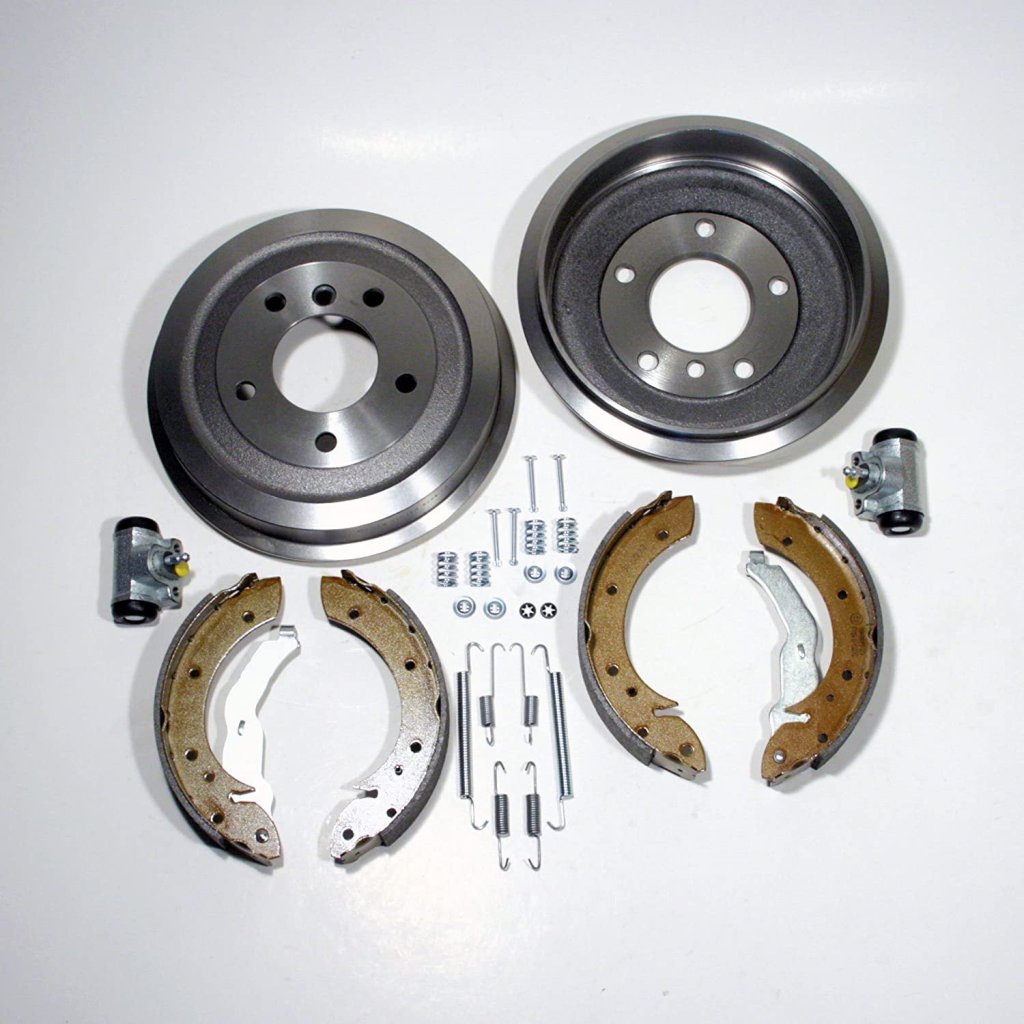
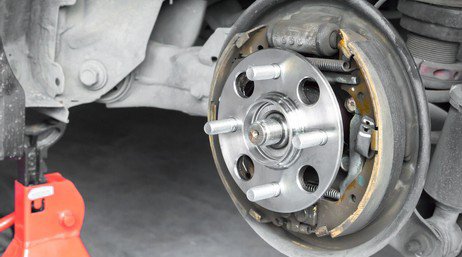
When the speed of car moving down the hill remains constant, its kinetic energy remains same. The gravitational potential energy is converted into internal energy of brake drums. This causes heating of brake drums.
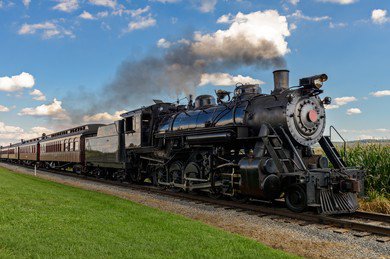
The ordinary steam engines do nit satisfy the ideal conditions stated in carnot engine namely
1) Water does not absorb heat at constant temperature.
2) Condensation of steam takes place before adiabatic expansion is completed.
3) The valves of cylinder are not opened at right time.
4) Some heat escapes through conduction.
Thus efficiency of steam engines is low.
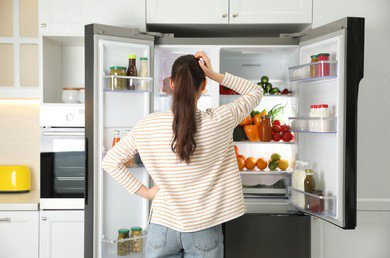
A refrigerator is a heat engine which works in opposite to other heat engines like petrol engine and diesel engine. Thus, a refrigerator extracts heat from the freezing chamber, some work is done on it by electric motor and rejects heat into the surrounding air, thus warming the air. Therefore if the door of a running refrigerator is left open, the room will not be cooled down but instead heated slightly.
Programming languages have been developed over the year in a phased manner. Each phase of developed has made the programming language more user-friendly, easier to use and more powerful. Each phase of improved made in the development of the programming languages can be referred to as a generation. The programming language in terms of their performance reliability and robustness can be grouped into five different generations,
1. First generation languages (1GL)
2. Second generation languages (2GL)
3. Third generation languages (3GL)
4. Fourth generation languages (4GL)
5. Fifth generation languages (5GL)



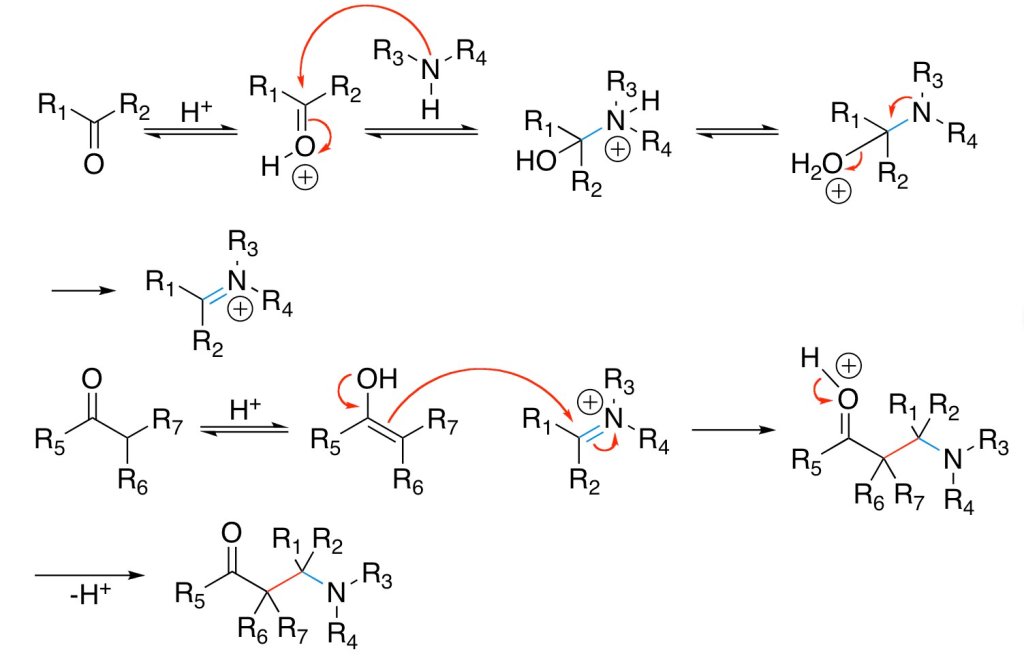
The detailed step by step description of a chemical reaction is called reaction mechanism.
Substrate + reagent -> intermediate -> product
*Substrate:- The reactant molecule which is attacked by any reagent.
*Reagent:- The attacking species eg. Electrophiles, Nucleophiles, Free Radicals, etc.



 Engineering